
Briançonnet
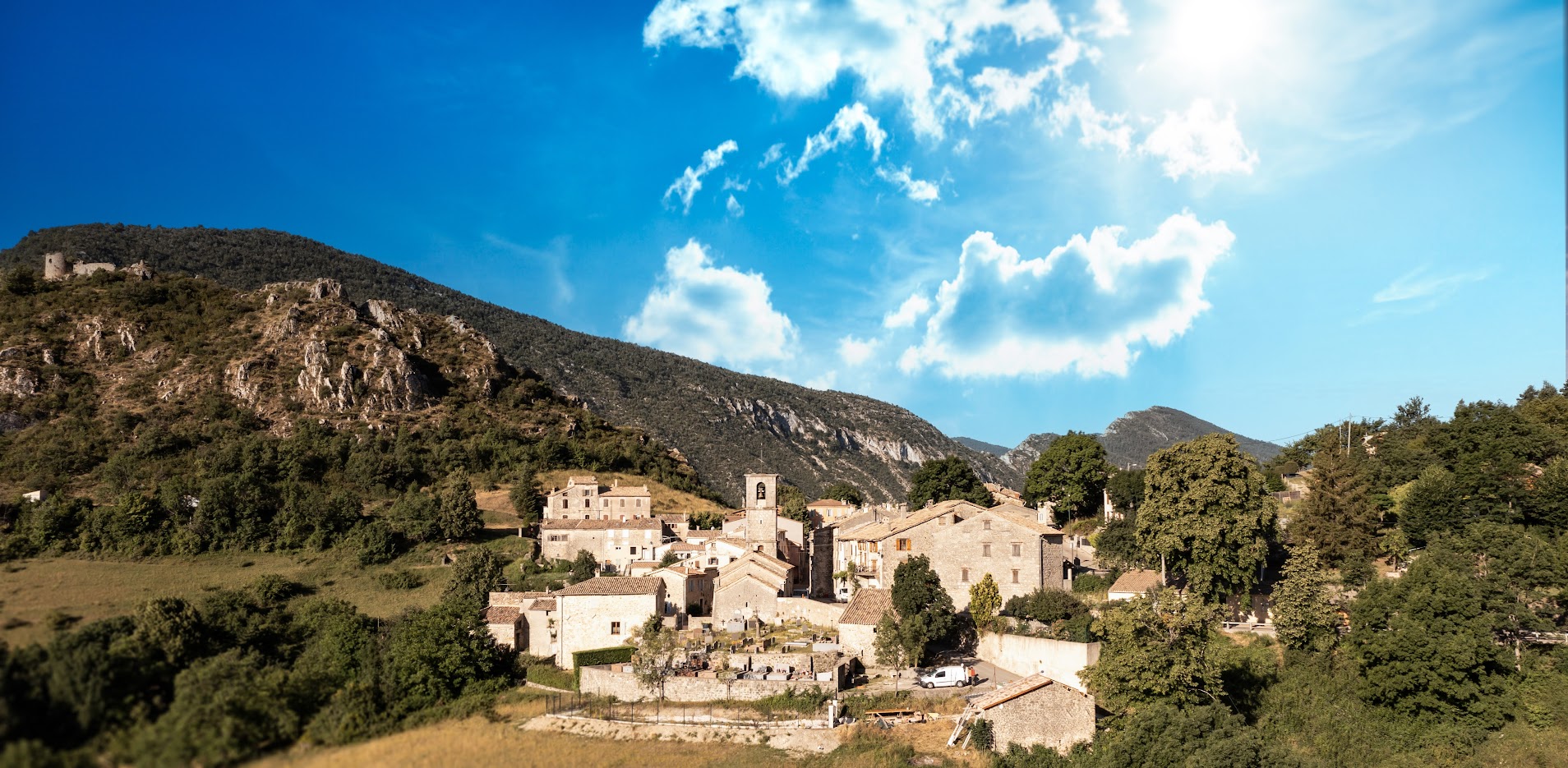
Former Roman city, Briançonnet is a village of medieval character, perched at 1,010 meters above sea level. Grouped on a pass, it is surrounded by beautiful mountainous landscapes, naked rocks and vast forest massifs.
There are many Roman remains and monuments dating from the Middle Ages: the ruins of the medieval castle, on a summit outside the village, and the church of Notre-Dame-de-l’Assomption, which dates from the 12th century.
On the edge of the Alpes-de-Haute-Provence, the town is crossed by the Estéron River. It has two charming hamlets: Le Prignolet, at the foot of the Crête des Ferriers, on a flat well exposed to the southwest, and La Sagne, an ancient Roman habitat.
Between ancient remains, medieval stones and mountain horizons, Briançonnet is discovered throughout history.
Wivisites
With Wivisites, discover the Pays de Grasse in complete freedom thanks to free audio-guided tours accessible directly from your phone.
No need for a guide or schedule: choose your route, start the visit and let yourself be accompanied through the streets, villages and emblematic sites of the territory.
As you walk, discover the history, heritage, anecdotes and characters that shaped the Pays de Grasse. A simple and fun way to explore the cities and villages of the territory, at your own pace and according to your desires.
Phone in hand, listen, observe and let the Pays de Grasse tell you its story.
The essentials
In Briançonnet, the heritage is discovered from chapel to church. Listed as a historical monument since 1936, the Saint-Martin chapel, known as the “chapel for white penitents”, dates from the 14th century and was part of a priory established in the 12th century. We notice a curious wall bell tower and a carved wooden statue representing the Assumption of the Virgin.
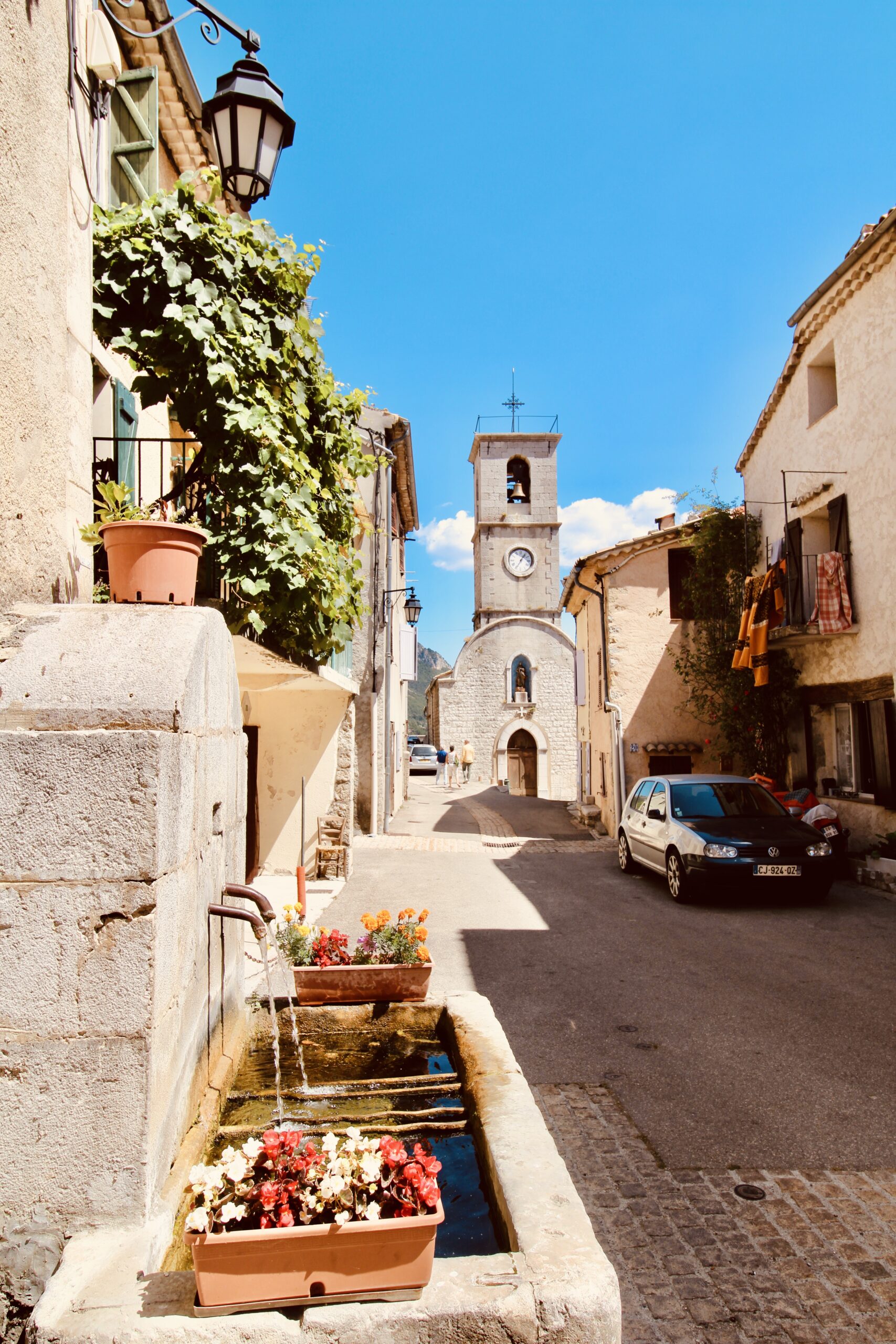
Dating from the 12th century, the Romanesque Church of the Assumption belonged to the priory of the monks of Lérins. Many steles and stones covered with Roman inscriptions are preserved there. It houses real treasures: the altarpiece of Notre-Dame du Rosaire, dated 1513 and attributed to Louis Bréa, a processional cross and a painting by François Mimault, painted in 1640, which represents the wish of Louis XIII.
For a fragrant break, the perfume plant garden, created in 2015 with the help of professionals from the International Perfumery Museum of Grasse, brings together at least 25 varieties, including tuberous, iris, jasmine, lavender or patchouli.
Ancient stones, sacred treasures and scents: in Briançonnet, history can be visited with all the senses.
Agenda
July : Fête patronale de la Sagne & Fête patronale du Prignolet
August : Fête patronale de Notre Dame
