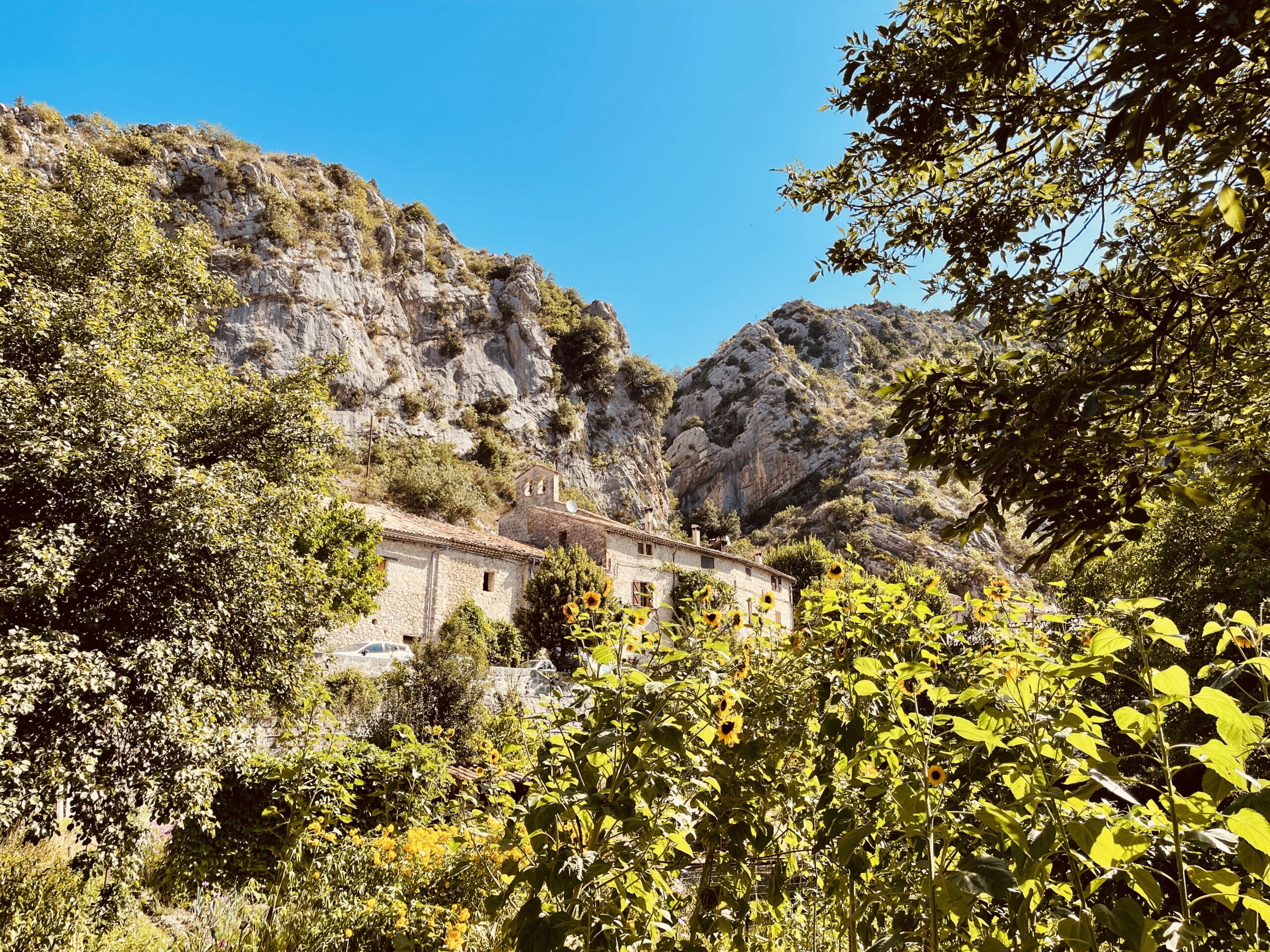
Gars
At the foot of the Gars mountain, at the confluence of the Esteron and many valleys, the village is sheltered in an isolated and wild setting. It developed from the 12th century around a fortified habitat and a castle, and its architecture has retained a strong medieval imprint: vaulted alleys, tight houses and fortifications surprise the visitor, like a haven of peace or a source of inspiration.
Water is very abundant: a multitude of springs supply fountains and washhouses, some of which date back to Roman times. The village is also the birthplace of the famous pedagogue Célestin Freinet.
Between medieval stones, living water and wild nature, the village can be discovered without haste.
Wivisites
With Wivisites, discover the Pays de Grasse in complete freedom thanks to free audio-guided tours accessible directly from your phone.
No need for a guide or schedule: choose your route, start the visit and let yourself be accompanied through the streets, villages and emblematic sites of the territory.
As you walk, discover the history, heritage, anecdotes and characters that shaped the Pays de Grasse. A simple and fun way to explore the cities and villages of the territory, at your own pace and according to your desires.
Phone in hand, listen, observe and let the Pays de Grasse tell you its story.

The essentials
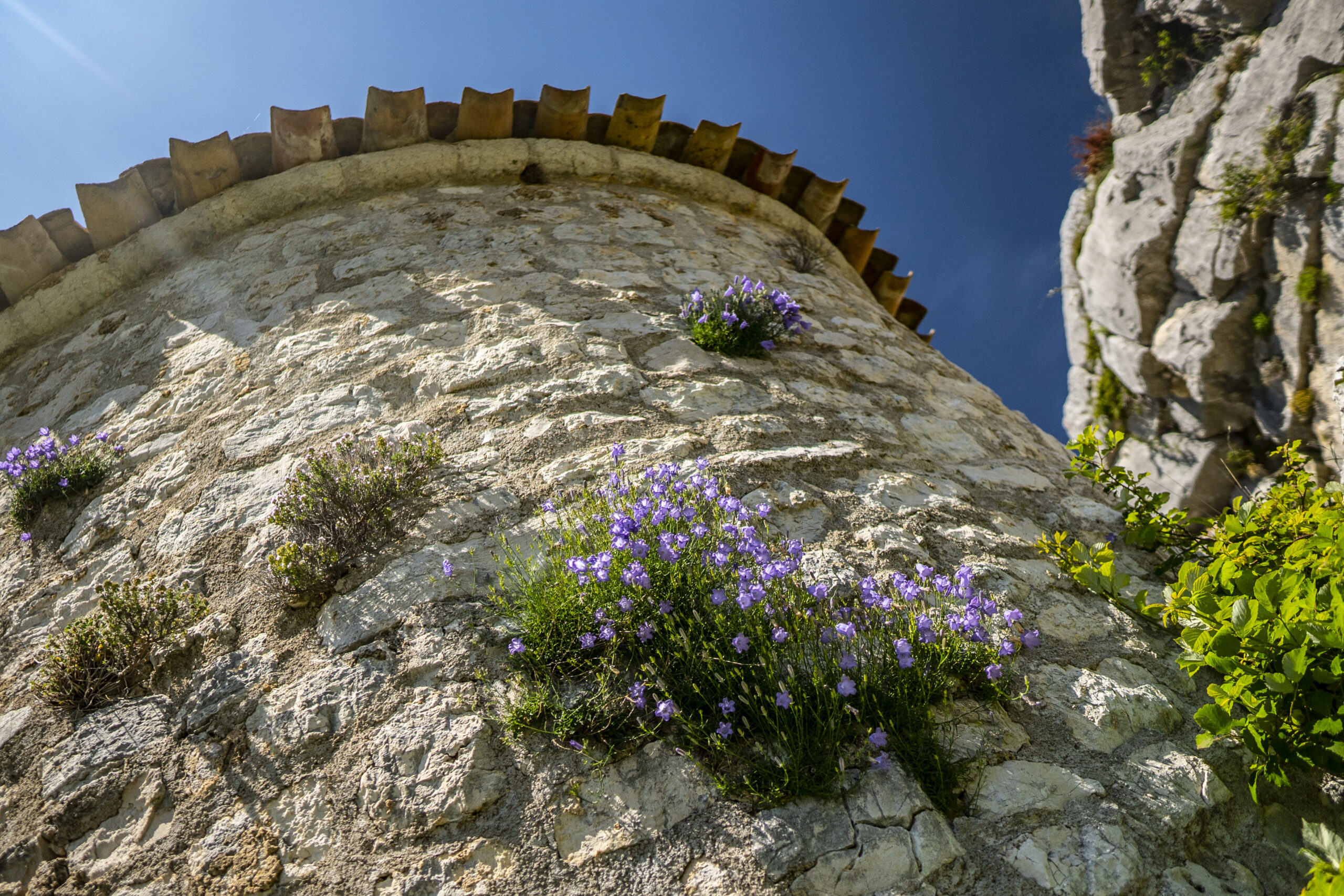
Over the course of the village, the heritage is discovered from stone to stone. Dating from the 12th and 13th centuries, the parish church of Saint-Sauveur was attached to the priory of the monks of Lérins. Listed as a historical monument since 1936, it is typical of the monastic buildings of the region: a single nave with three bays, a medieval apse, a double bell tower and a broken hanger door.
The Célestin Freinet ecomuseum brings together a room dedicated to ancient tools and a room dedicated to the child of the country. Born in 1896, Célestin Freinet designed a new pedagogy, the Freinet pedagogy, still in vogue today. The school of yesteryear completes this dive into the past.
At the turn of the alleys, the Saint-Joseph chapel and the cave dwellings add their share of mystery and authenticity.
Faith, knowledge and life of yesteryear: here, history is visited from the cellar to the bell tower.
Agenda
July : Fête de la Saint-Sauveur
August : Fête patronale de Gars
September : Fête de la Saint-Joseph